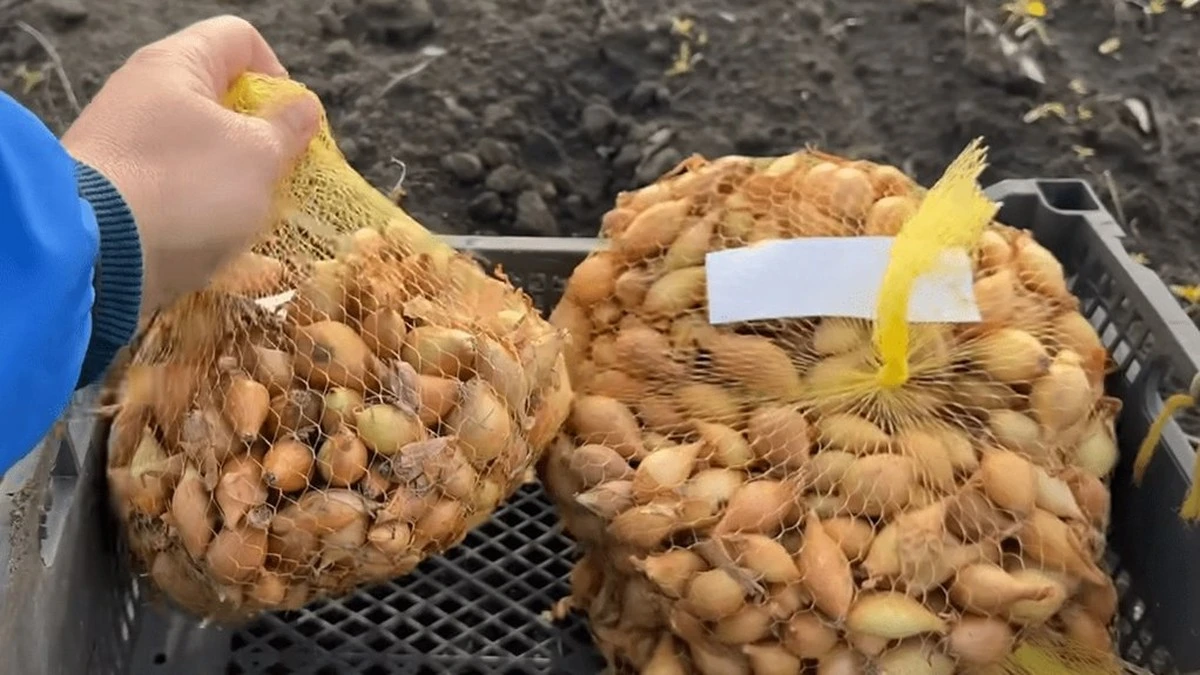
You stand by the trash can, an empty onion bag in hand. A familiar gesture, one you've repeated countless times. Then, your aunt Zita, dropping by for coffee, asks: "What are you doing?" "Throwing out trash," you answer automatically. She looks at you as if you've just announced you're throwing money into a furnace. "Give me that bag," she says calmly. "And sit down – I have something to show you." That afternoon, you discover that all your life you've been discarding an item that could solve at least five problems in your home. And probably yours too.
Why Potatoes and Apples Spoil Too Quickly
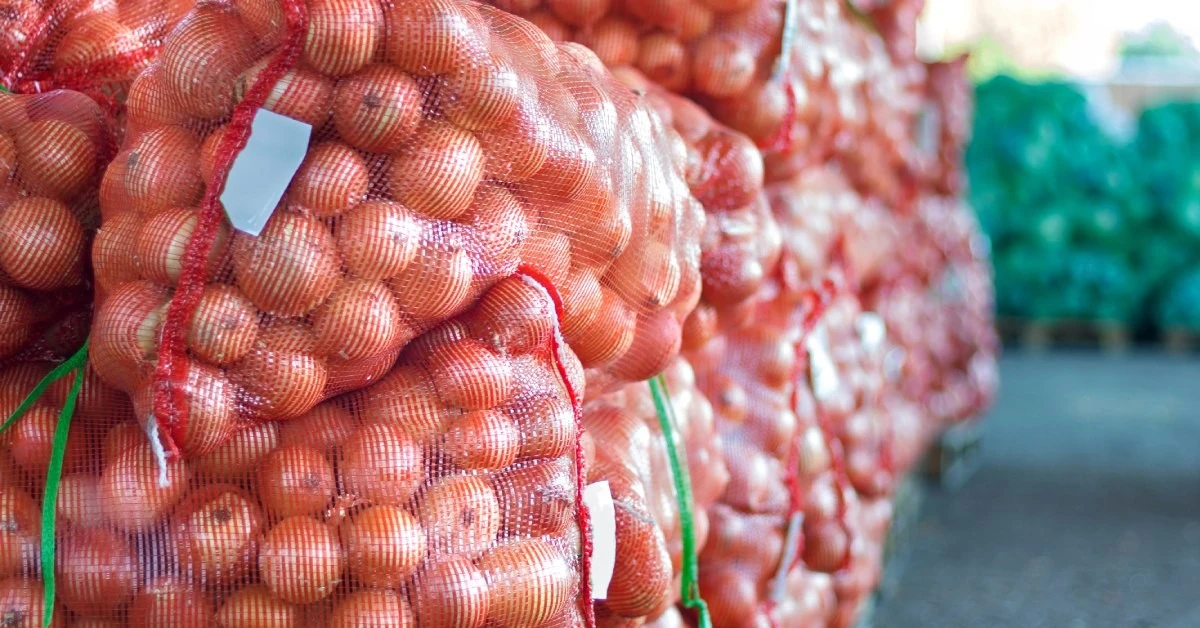
First, Aunt Zita led me to her pantry. There, hanging on hooks, were dozens of onion bags – some with potatoes, others with apples, and some with garlic.
"Look," she said, pointing to the potatoes. "These have been here since autumn. Not a single one has spoiled yet."
I asked how that was possible. My potatoes in the pantry start to sprout and soften after just a month. The answer seemed simple: ventilation. In plastic bags or closed boxes, moisture accumulates and has nowhere to evaporate. This creates ideal conditions for mold and rot. The mesh bag, however, breathes – air circulates from all sides, moisture doesn't lingered, and the vegetables stay dry and fresh. She applies the same principle to apples. She puts them in a mesh bag, hangs it in a cool place – and they last for several months without any special conditions. Just air and coolness.
How I Stopped Searching for Socks All Over the Laundry
Aunt Zita's next trick astonished me even more. She took an empty mesh bag and asked: "Where do your socks disappear in the washing machine?" I laughed, because this is an eternal problem. I put in a pair, I take out one. Where the second one goes is a mystery science hasn't solved yet.
"Put your socks in a mesh bag before washing," she said. "Tie it up and throw it in the drum. They'll all stay together." It was so simple, I felt foolish. Why hadn't I thought of it myself? Now I have a separate mesh bag for white socks, another for colored ones. After washing, I just pull it out, untie it, and all the pairs are together. No searching, no single socks in the drawer.
This same method works for small garments – baby socks, women's underwear, anything that tends to get lost or tangled in the wash.
Three Minutes – and Your Drawer is Tidy
Aunt Zita is a neatness fanatic. Her drawers look like they're from a magazine. When I asked how she achieved this, she again produced the mesh bags.
"See," she showed me her makeup drawer. "Each category – in a separate bag." Lipstick in one. Eyeshadows in another. Brushes in a third. All the bags are transparent, so you immediately see what's where. No need to rummage through the entire drawer looking for that one pencil.
She does the same with small children's toys, sewing supplies, and the medicine cabinet. Anywhere a lot of small items tend to accumulate and scatter – the mesh bag solves the problem. And the best part is – it costs nothing. Every week, we buy onions or potatoes, and every week we get a new organizing tool for free.
Why My Raspberries No Longer Go Down the Drain
Another trick that transformed my kitchen is washing vegetables and berries in a mesh bag. Especially with small berries – raspberries, blueberries, currants. Previously, washing was a real torture. Berries rolled everywhere, fell into the sink, got stuck in the grates, some went down the drain. After washing, I had half as many as before.
Now, I simply pour the berries into the mesh bag, run them under water, shake them – and that's it. Water flows freely, and the berries stay safely inside. No loss, no frustration. The same applies to leafy greens – lettuce, spinach, arugula. I put them in the mesh bag, wash them, hang it over the sink to drain. You can even spin them in a salad spinner – the mesh bag will withstand it.
How I Protect Seedlings Without Any Chemicals
In the spring, Aunt Zita surprised me once again. I came to her garden and saw a strange sight – onion mesh bags, secured with stakes, were draped over young seedlings. "For birds," she explained. "And for insects that lay eggs." The idea is brilliant. The mesh allows light and water through – the plants lack nothing. But small insects and birds cannot reach the leaves. No chemical sprays, no expensive protective netting from the store. As the seedlings grew and strengthened, she removed the bags and used them elsewhere. They can be washed and used for several seasons in a row. One onion bag lasts a year or longer.
My neighbor, seeing this trick, started asking Aunt Zita to pick out mesh bags for her. Now all the gardeners on the street collect them instead of throwing them away.
One Mistake to Avoid
In the first few months after I started collecting mesh bags, I made one mistake. I piled them all together without washing. After a few weeks, they started to smell – onion remnants rotted. Aunt Zita scolded me like a child: "Before putting them away, always wash and dry them." Now I have a system. I immediately rinse an empty mesh bag under running water, hang it to dry on a hook near the sink. When it's dry, I fold it and put it in a special small drawer. Clean, dry, ready to use.
Another mistake is trying to use overly large mesh bags for small items. If the gaps are too big, small parts fall out. I leave those bags for potatoes and apples, and for small items, I use those that held garlic or small onions.
How Many Mesh Bags Do You Need at Home?
Over the year, the average family collects several dozen onion and potato mesh bags. More than enough for all needs. My distribution now looks like this: five to six larger mesh bags – in the pantry for vegetables and fruits. Three to four medium ones – for the laundry and washing small items. Ten smaller ones – for organizing drawers and cupboards. A few more – in the garden, ready for spring. And if one gets worn out or hopelessly tangled – I just throw it away and replace it with a new one. I still get more than I use.
What I Learned from Aunt Zita
Now, every time I'm about to throw something "unnecessary" away, I stop and think – is it really trash? Or could it be a tool I haven't discovered yet? Aunt Zita grew up in times when nothing was wasted. Every object had a second, third, tenth life. We've forgotten this approach because everything is readily available in stores. But maybe it's worth remembering sometimes. Onion mesh bags are just one example. Who knows how many more such "trash items" we discard daily, without even thinking that they could serve us.
Two years have passed since that afternoon with Aunt Zita. Now I'm the one who stops friends when they're about to throw away a mesh bag. And I see that same surprised look I once had myself. What other everyday items do you reuse?